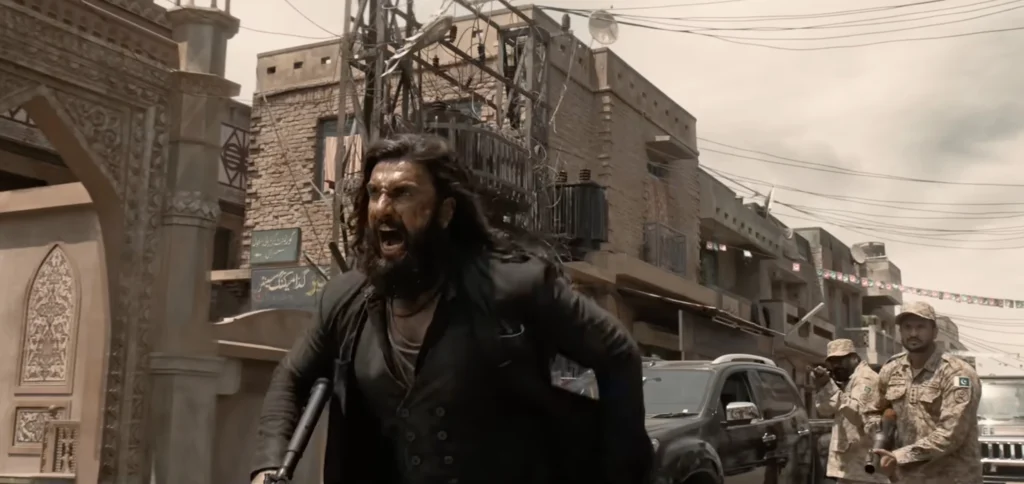
The countdown to one of India’s biggest celebrations of cinema has begun. The 57th International Film Festival of India (IFFI) is set to return to Goa from November 20 to 28, 2026, bringing together filmmakers, actors, producers and cinema enthusiasts from across the world. This year’s festival promises an extensive selection of Indian and international films, with more than 230 movies scheduled to be screened under the theme ‘Stories Without Borders’. One of the major highlights for Indian audiences is Ranveer Singh-starrer Dhurandhar, which has been selected to open the Indian Panorama section.
However, there is an important distinction in the festival’s opening programme. While Dhurandhar will begin the Indian Panorama feature-film showcase, the official opening film of the entire 57th IFFI will be Polish filmmaker Paweł Pawlikowski’s Fatherland. The announcement brings together two different cinematic attractions, giving the festival a strong international opening while also putting Indian mainstream cinema in the spotlight.
Goa Chief Minister Pramod Sawant announced the latest festival highlights during a press conference on November 16. Spain has been named the Country of Honour, while Russia will participate as the Partner Country. The nine-day event will feature films from different countries, languages and filmmaking traditions, along with special screenings, international premieres, workshops and discussions.
Fatherland to Open the 57th International Film Festival of India
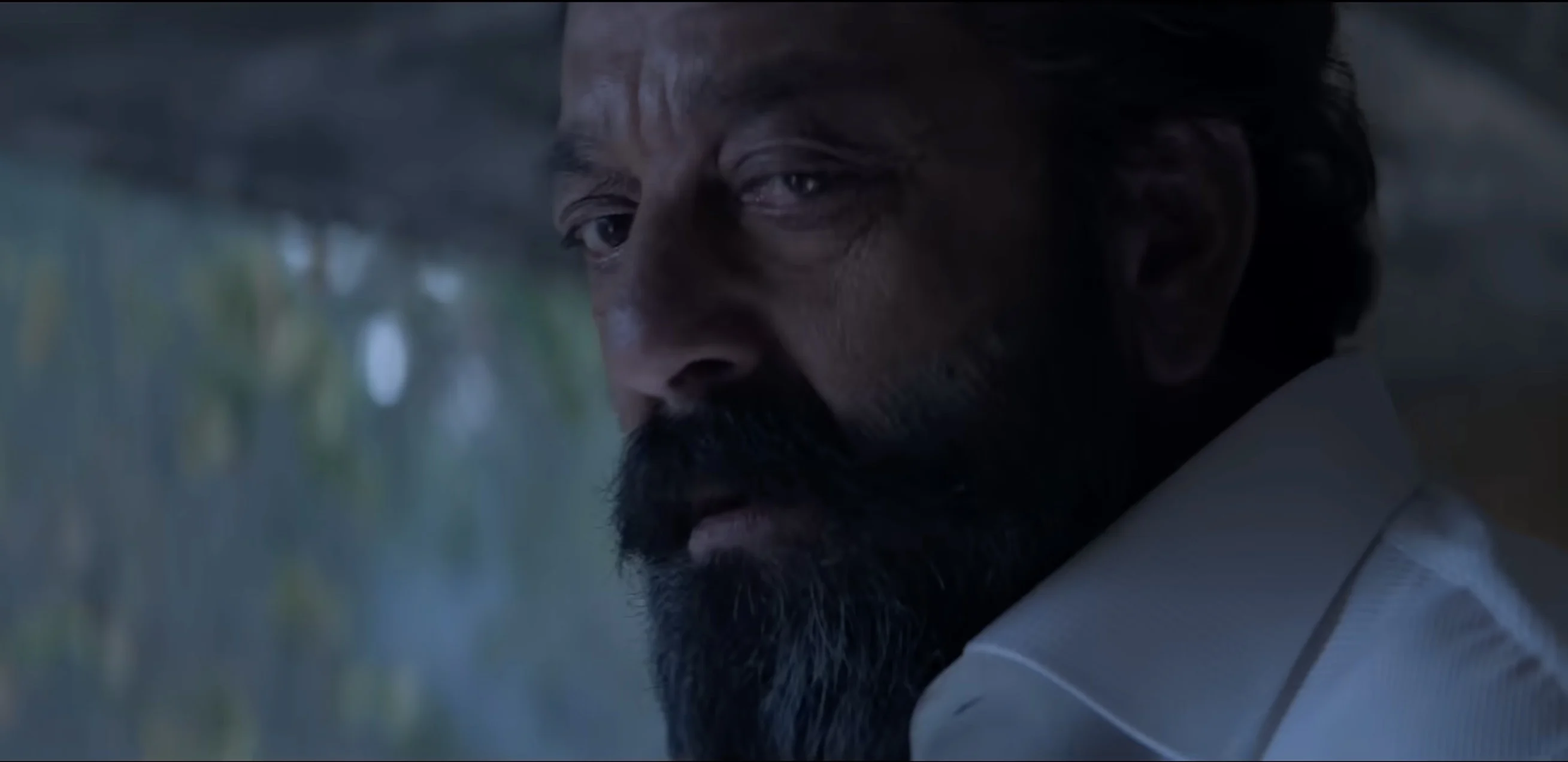
Directed by acclaimed Polish filmmaker Paweł Pawlikowski, Fatherland (Ojczyzna) has been selected as the official opening film of IFFI 2026. The film is set in 1949, during the early years of the Cold War, and follows Nobel Prize-winning German writer Thomas Mann and his daughter Erika on a road journey through a divided Germany.
After spending 16 years in exile in the United States, Thomas Mann returns to Germany with his daughter. Their journey takes them through different parts of a country still recovering from the devastation of the Second World War, including Frankfurt under American influence and Weimar under Soviet control.
The film explores much more than the political divisions of post-war Europe. Through the relationship between a father and his daughter, it examines family tensions, identity, memory, belonging and the meaning of home. The drama features Sandra Hüller and Hanns Zischler in leading roles and has a runtime of 82 minutes.

Fatherland is a collaborative production involving Poland, Germany, Italy and France. The black-and-white film has already attracted international attention and received the Best Director Award for Pawlikowski at the 2026 Cannes Film Festival. Its selection as the opening film gives IFFI a strong international start and reflects this year’s focus on stories that cross geographical and cultural boundaries.
Dhurandhar and Becoming to Open Indian Panorama
For Indian cinema fans, one of the biggest announcements is the selection of Dhurandhar as the opening feature film of Indian Panorama 2026. Directed by Aditya Dhar and starring Ranveer Singh, the Hindi film will lead the feature-film selection in this important section of the festival.
Dhurandhar will not be the opening film of the entire festival, but its selection for Indian Panorama is significant. The section has a separate identity within IFFI and is dedicated to presenting notable Indian feature and non-feature films from different languages and filmmaking traditions. The film’s selection places a mainstream Hindi production alongside a diverse collection of Indian cinema.
The opening non-feature film of Indian Panorama will be Becoming, a Ladakhi-language film directed by Leena Yadav. Its inclusion alongside Dhurandhar highlights the range of storytelling represented in the Indian selection, from mainstream feature cinema to films made in regional and lesser-represented languages.
According to the Ministry of Information and Broadcasting, the Indian Panorama feature-film selection was made from 404 entries, while the non-feature category received 358 submissions. The final selection includes 25 feature films and 20 non-feature films. Of the 25 feature films, 20 are part of the Indian Panorama Feature Film section and five have been selected for the Mainstream Cinema section.
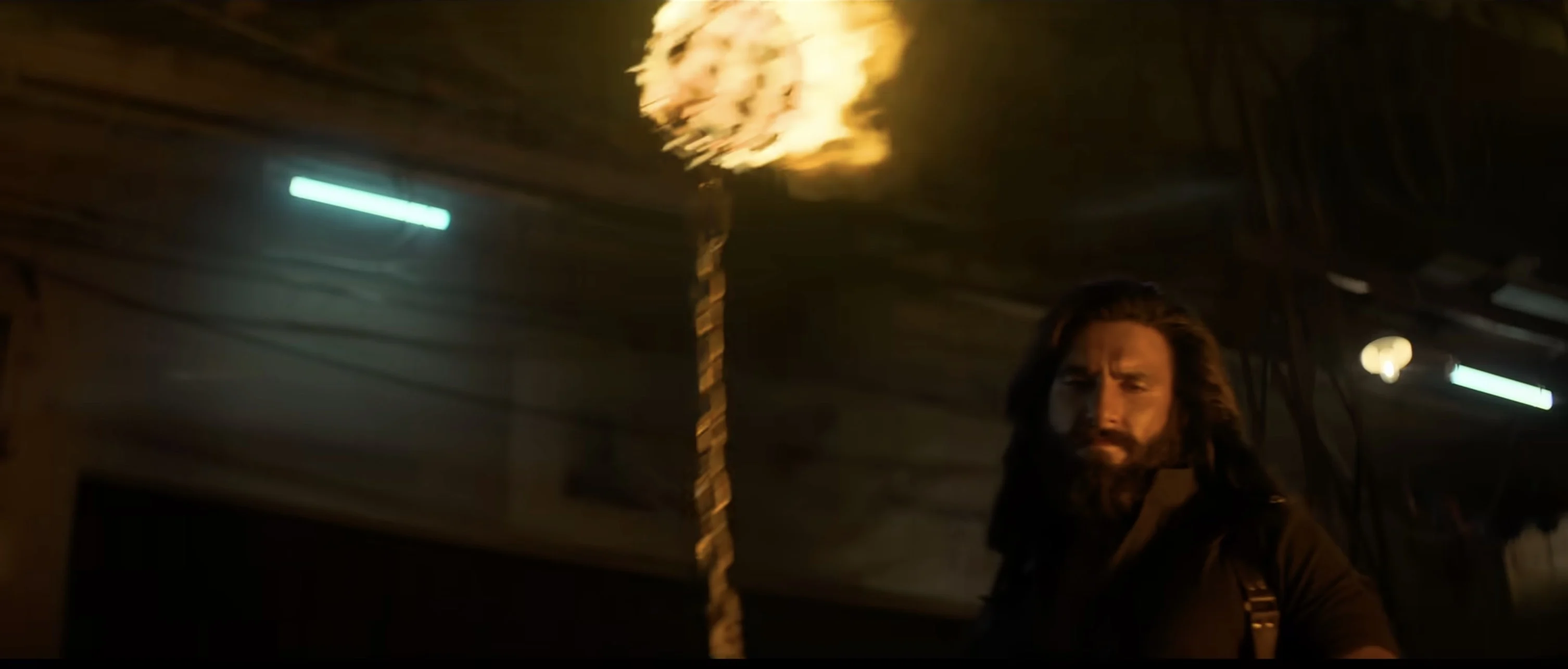
Several other notable Indian films are also part of the selection. These include Kantara: A Legend Chapter 1, directed by Rishab Shetty, Laalo – Krishna Sada Sahaayate, The Kerala Story 2 Goes Beyond, Krishnavataram, Banaras, Sarvam Maya, Pagla Ghora and Aadi Anant.
The five films selected for the Mainstream Cinema section are Kantara: A Legend Chapter 1, Baapya, Mana Shankara Vara Prasad Garu, Dhurandhar and Deool Band 2. The selections cover Kannada, Marathi, Telugu and Hindi cinema, giving audiences an opportunity to explore different creative approaches within Indian filmmaking.
The wider Indian cinema programme will showcase 76 films across 18 languages, reflecting the country’s linguistic and cultural diversity. The festival is also expected to bring together established filmmakers and emerging talent, making the Indian Panorama one of the key attractions for audiences interested in contemporary Indian cinema.
More Than 230 Films From Across the World
IFFI 2026 is not limited to Indian cinema. According to the latest announcement by the Goa government, more than 230 films from India and other countries will be screened during the festival. The international selection includes more than 150 films representing 86 countries.
The central theme for this year’s edition is ‘Stories Without Borders’. The idea is to bring together films that explore common human experiences despite differences in language, geography, culture and society. The programme will include international competition films, gala premieres, special country showcases, retrospectives and curated film sections.
The international competition will feature 15 films, while the Best Debut Feature Films Competition will present seven films from different countries. The debut competition includes Fading Man from Germany, The Sledge from India, Paris from Belgium, The Black Sea from Egypt, L’Âge d’Or (The Golden Age) from France and Italy, Birds on Ice from India and Atlantic from China.
The festival’s Gala Premieres section will feature 14 screenings, offering audiences an opportunity to watch selected international productions and discover different styles of filmmaking. These programmes are expected to be among the major attractions for film professionals and cinema enthusiasts visiting Goa.
Spain Is the Country of Honour, Russia the Partner Country
Spain will receive special attention at the 57th edition of IFFI after being designated the Country of Honour. The festival will showcase four Spanish films, providing Indian audiences with an opportunity to explore contemporary Spanish cinema and its distinctive storytelling traditions.
The Spanish selection includes The Bad Son, directed by Jaime Lorente, Trinidad, Bitter Christmas, directed by Pedro Almodóvar, and Persegiuiendo a Michael, directed by Jaime Machia. The showcase will include premieres at different international levels, adding another attraction for audiences looking to discover cinema beyond mainstream productions.
Russia has been named the Partner Country for IFFI 2026. Its special showcase will feature four films: Four, New Home, Bo Bo, directed by Anastasia Kuzina, and Sidney Lumet’s Birthday. The selection is intended to introduce audiences to different aspects of Russian filmmaking and encourage cultural exchange between the two countries.
BRICS Cinema Gets Special Attention, Ramayana to Open the Section
Another important attraction will be the special focus on BRICS cinema. IFFI 2026 will present a collection of 21 films exploring themes such as democracy, freedom, identity, history, social inequality, conflict and displacement.
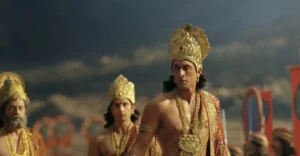
India’s Ramayana has been selected as the opening film of the BRICS section. The showcase will feature films from all 11 BRICS member countries, along with contributions from partner countries. The programme aims to bring different national perspectives to a common platform through cinema.
The international selection includes stories dealing with historical struggles, social change and contemporary issues. Films such as Brazil’s Amadeo and the Hypothetical New World, Indonesia’s The Sea Speaks His Name and South Africa’s The Trek are among the titles included in the BRICS showcase.
The section also explores contemporary concerns through films such as Dreaming of Serenada, which looks at climate change through a father-daughter relationship, and Faya Dayi, which examines the lives and social realities of communities associated with khat cultivation in Ethiopia.
I Matter to Feature as Mid-Fest Film, We Are All Strangers to Close IFFI
Alongside the opening film Fatherland, the organisers have announced the films selected for the middle and closing stages of the festival. I Matter, directed by Alina Șerban, has been selected as the Mid-Fest Film.
The 101-minute film is a co-production involving Romania, Germany and Belgium. Featuring dialogue in Romanian and Romani, the film brings another international cinematic perspective to the programme and is expected to add to the festival’s exploration of diverse cultural experiences.
The festival will conclude with We Are All Strangers, directed by Singaporean filmmaker Anthony Chen. With a runtime of 157 minutes, the film is presented in Mandarin and English. Its selection as the closing film will bring the nine-day celebration of international cinema to an end on November 28.
Two New Sections Introduced at IFFI 2026
This year’s festival will also introduce two new segments: Animation and Films About Films. Both sections will feature five films each, expanding the range of cinematic experiences available to audiences.
The Animation section will focus on animated filmmaking and its creative possibilities, while Films About Films will explore the art, process and craft behind cinema. The new sections are intended to give audiences a wider understanding of filmmaking beyond conventional feature-film screenings.
The festival will also place considerable emphasis on women filmmakers and emerging talent. According to the official announcement, 52 women filmmakers and 62 debut filmmakers will be part of IFFI 2026. The competitive sections will include 10 women filmmakers and 12 debut filmmakers, highlighting the growing presence of new creative voices in the international film industry.
Another important initiative is the sixth edition of Creative Minds of Tomorrow, which will bring together 100 selected participants representing 13 filmmaking crafts. The programme will include workshops, masterclasses, interactive sessions, a 48-hour filmmaking challenge and opportunities to interact with established industry professionals.
WAVES Film Bazaar and Industry Events Also Part of the Festival
Beyond film screenings, IFFI 2026 will provide opportunities for filmmakers, producers, buyers and distributors to connect through WAVES Film Bazaar. The initiative is designed to encourage collaborations, international co-productions and business opportunities for Indian and international film professionals.
WAVES Film Bazaar will include initiatives such as the Screenwriters’ Lab, Co-production Market, Viewing Room and Work-in-Progress Lab. Netflix will participate as the Knowledge Series partner, with activities focused on industry development, VFX capabilities and opportunities for emerging creative talent.
The festival will also host 14 sessions at Kala Academy from November 21 to 27. These will include masterclasses, workshops, panel discussions, retrospectives and interactive conversations with filmmakers and industry professionals. Discussions will cover subjects such as documentary filmmaking, storytelling, women in world cinema, casting, subtitling and emerging cinematic practices.
Goa Prepares for Nine Days of Cinema
The festival will be organised across multiple screening locations in Goa, with more than 4,000 seats available across 13 screens. The venues announced for this edition include INOX Panjim, Maquinez Palace, INOX Porvorim, Z Square Samrat-Ashok, Magic Moviez in Ponda and Ravindra Bhavan in Margao. The organisers have also announced accessibility facilities for persons with disabilities at the screening venues.
The opening and closing ceremonies will take place at the Dr Shyama Prasad Mukherjee Indoor Stadium near Panaji on November 20 and November 28, respectively. Open-air screenings will also be organised at locations including Miramar, Ravindra Bhavan in Margao and Vagator Helipad, allowing cinema to reach audiences beyond conventional theatres.
For audiences interested in regional cinema, the Special Goan Section will feature 12 films selected from 35 entries. Ancessao has been selected as the opening film of this section. The festival will also organise special screenings of educational and entertaining films for children at Kala Academy from November 21 to 28.
According to the announcement by Chief Minister Pramod Sawant, more than 7,000 registrations had already been received from film enthusiasts, students, media representatives and industry professionals. Free transport facilities, including electric buses and auto-rickshaws, have also been planned for registered delegates to connect important festival locations.
With international cinema, Indian mainstream productions, independent films, regional storytelling and industry events all coming together, the 57th International Film Festival of India is shaping up to be a major cultural event. For Indian audiences, Dhurandhar’s selection as the opening film of Indian Panorama will be a major talking point. At the same time, Fatherland’s selection as the official opening film underlines IFFI’s international character. From November 20 to 28, Goa will once again become a meeting point for filmmakers and cinema lovers from across the world.